Is this email not displaying correctly? Click here to view in browser

Responsive image

Dear Partner,

Greetings from the Advocates Coalition for Development and Environment (ACODE).

Welcome to IFFs Insights, curated from our work to promote financial transparency in Uganda. Our project, supported by the Government of Norway through the Global Financial Integrity (GFI), seeks to mitigate illicit financial flows and increase domestic resource mobilisation for development. The goal is to build capacities and enhance the mechanisms required to detect, prevent, and combat IFFs. It is envisaged that reducing IFFs will significantly enhance domestic resource mobilization, ensuring that funds rightfully remain within Uganda's borders and are efficiently utilized for national development priorities.

Enjoy reading!

Publications

Trade-based money laundering

Uganda's Mining Legal Regime: Addressing Illicit Financial Flows Risks and Revenue Loss in the Mineral Supply Chain

January 2025

The mineral sector’s legal, regulatory, and institutional framework is governed by the 1995 Constitution [as amended in 2005], the Mining and Mineral Policy (2018), the Mining and Minerals Act, Cap.159, and the attendant Regulations. Other relevant laws include; The East African Community Customs Management Act, 2004; Public Finance Management Act, Cap. 171; Income Tax Act, Cap. 338; The International Conference on the Great Lakes Region (Implementation of the Pact on Security, Stability, and Development in the Great Lakes Region) Act, Cap. 188; The Companies Act, Cap.106 among others (UGEITI, 2023). However, this research report focuses on the Mining and Minerals Act, Cap. 159, and the Income Tax Act, Cap. 338.


Trade-based money laundering

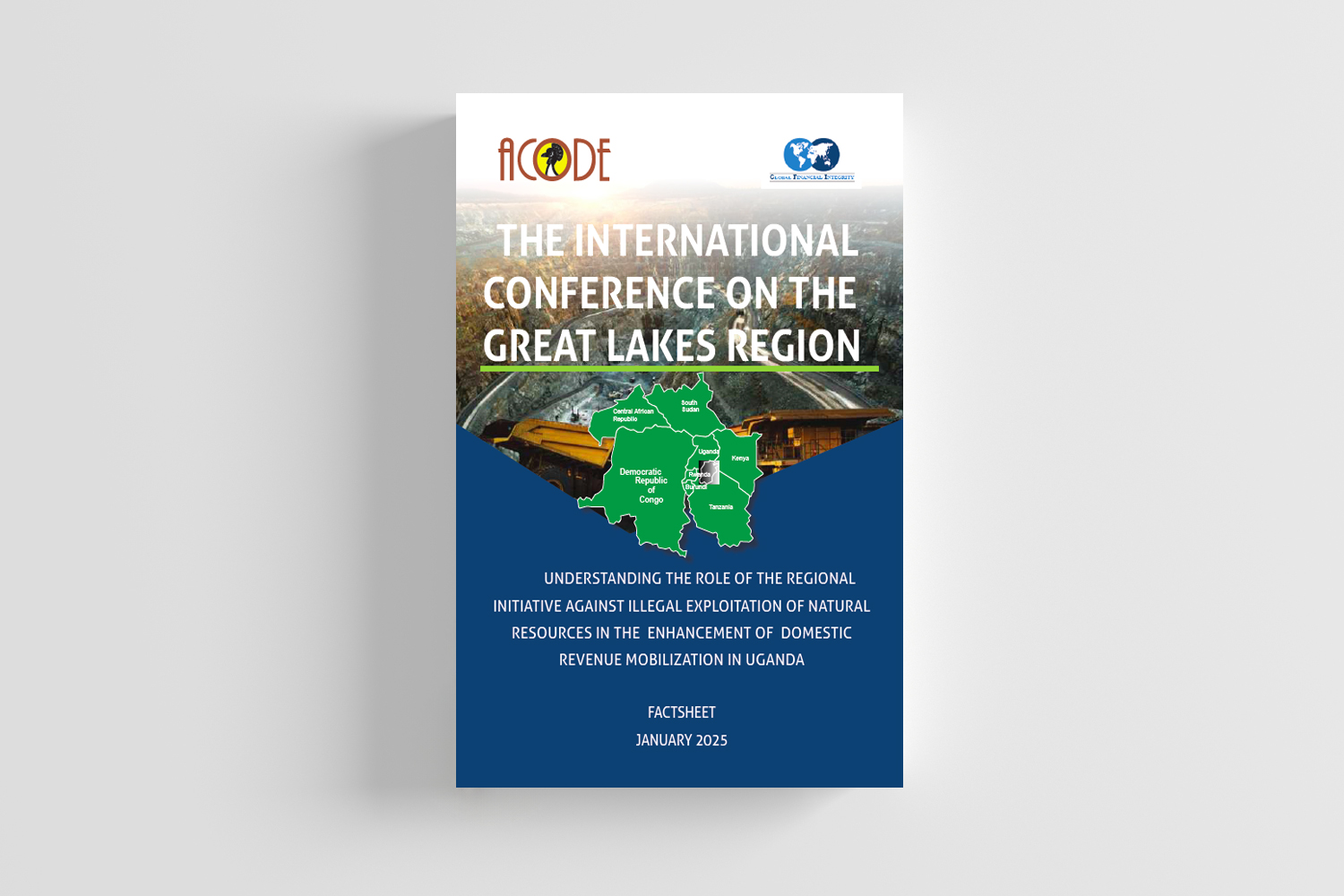
The International Conference on the Great Lakes Region: Understanding the Role of the Regional Initiative Against Illegal Exploitation of Natural Resources in the Enhancement of Domestic Revenue Mobilization in Uganda

February 2025

The Great Lakes Region of Africa is an example of the paradox of poverty amidst plenty. On the one hand, it is home to a substantial number of natural resources which are in great demand on the global market. On the other hand, its population lives in great poverty and the region’s recent history has been marked by disastrous effects of armed conflicts. The abundance of natural resources has not yet transformed the region into a state of inclusivity that guarantees socio-economic well-being for the population. Illegal exploitation of natural resources and unbalanced trade rob countries in the region of their rightful revenue and fuel conflicts and political instability. Domestic revenue mobilization and illicit financial flows, such as illegal mineral exploitation, are known opposing forces in building effective developmental states. Gaps in policies and compliance within regulatory regimes allow illicit financial flows, hindering countries' abilities to mobilize essential domestic revenue.


Trade-based money laundering

Enhancing Domestic Revenue Mobilisation Through Formalisation of Artisanal and Small-Scale Mining in Uganda

May 2025

Uganda’s mining sector is heavily dependent on artisanal and smallscale mining (ASM), which is often conducted outside the legal, fiscal, and institutional regulatory frameworks. This lack of regulation complicates efforts to address the environmental, social, and economic challenges associated with ASM. Unlike large-scale mining operations, ASM relies on minimal capital investment and utilizes manual labour or light machinery. ASM accounts for over 90% of the country’s mineral production, involving valuable resources such as gold, tin, tungsten, tantalum, limestone, marble, and iron ore. The sector’s informality has resulted in its contributions to the economy largely unaccounted for, explaining its less than 1% contribution to GDP. Despite its significant role, ASM remains largely informal, leading to minimal government oversight and limited revenue collection. The Mining and Minerals Policy, 2018, and the Mining and Minerals Act, Cap. 159 aims to formalize, organize, and develop ASM through registration, licensing, and regulation.


Trade-based money laundering

Status of implementation of Beneficial Ownership Laws in Uganda

July 2025

Beneficial ownership transparency is an important tool in the global fight against financial crimes. In recent years, Uganda has made notable progress in implementing beneficial ownership (BO) laws to align with international requirements. The Ugandan legal framework has been strengthened through several amendments to existing relevant laws. Beneficial ownership transparency is important for Uganda to: promote compliance with international standards and commitments, enhance corporate transparency and accountability, prevent the misuse of legal entities for illicit purposes, and support efforts to combat money laundering, terrorist financing, tax evasion, and corruption. This factsheet summarizes the current landscape and status of BO implementation in Uganda, highlights the key laws, the progress made in establishing disclosure mechanisms, and the remaining hurdles in ensuring effective implementation.


Trade-based money laundering

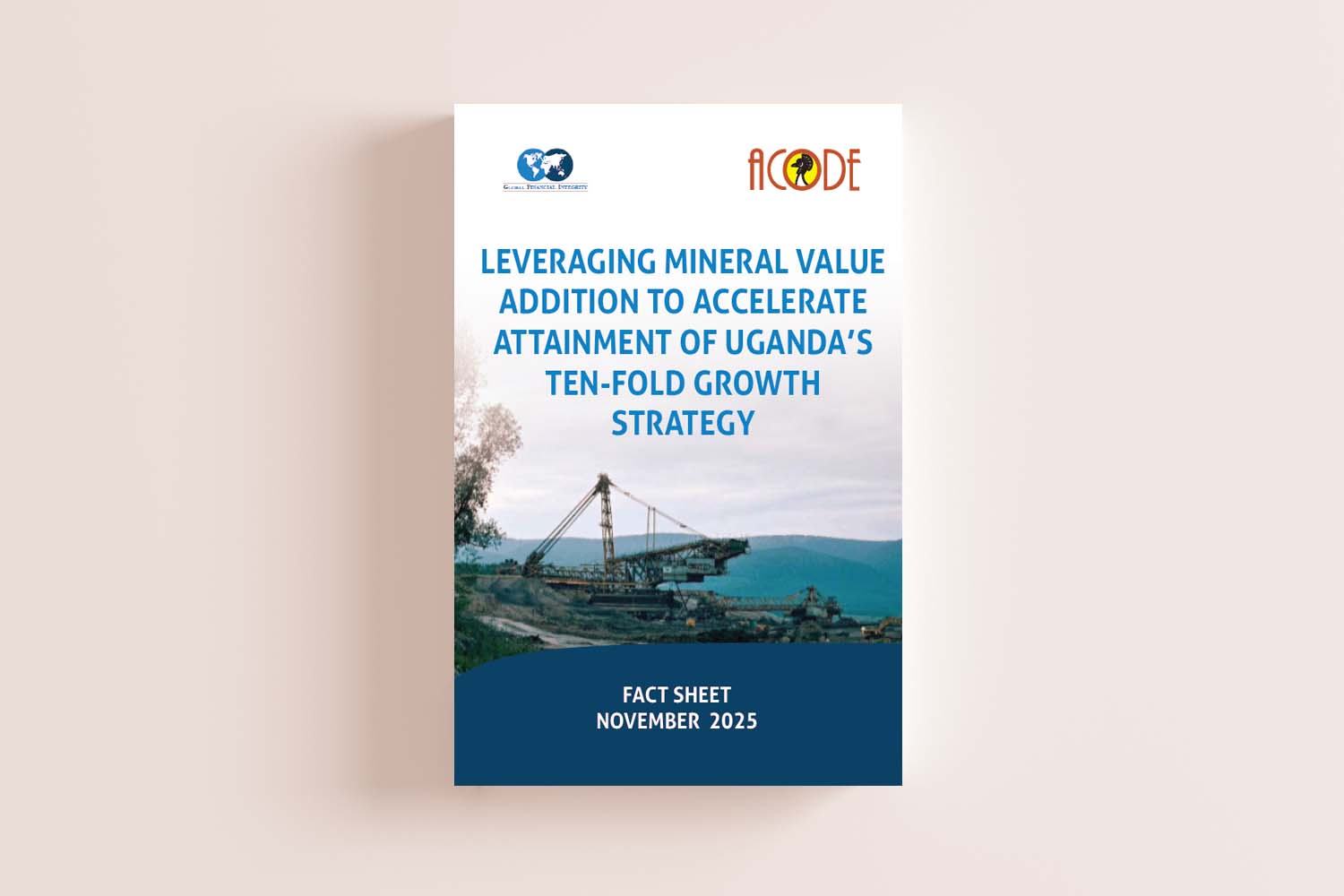
Leveraging Mineral Value Addition To Accelerate Attainment Of Uganda’s Ten-Fold Growth Strategy

November 2025

Mineral value addition refers to the process of enhancing raw minerals by transforming them into intermediate or final products with higher market value. This process involves key stages such as beneficiation, processing, refining, and manufacturing. By adding value to minerals, countries can increase revenue, generate employment, and promote technological advancement. The implementation of mineral value addition requires the active involvement of the private sector, public institutions, partnerships between public and private entities, mining stakeholders, and research institutions, all working collaboratively to achieve targeted economic and development goals.


Trade-based money laundering

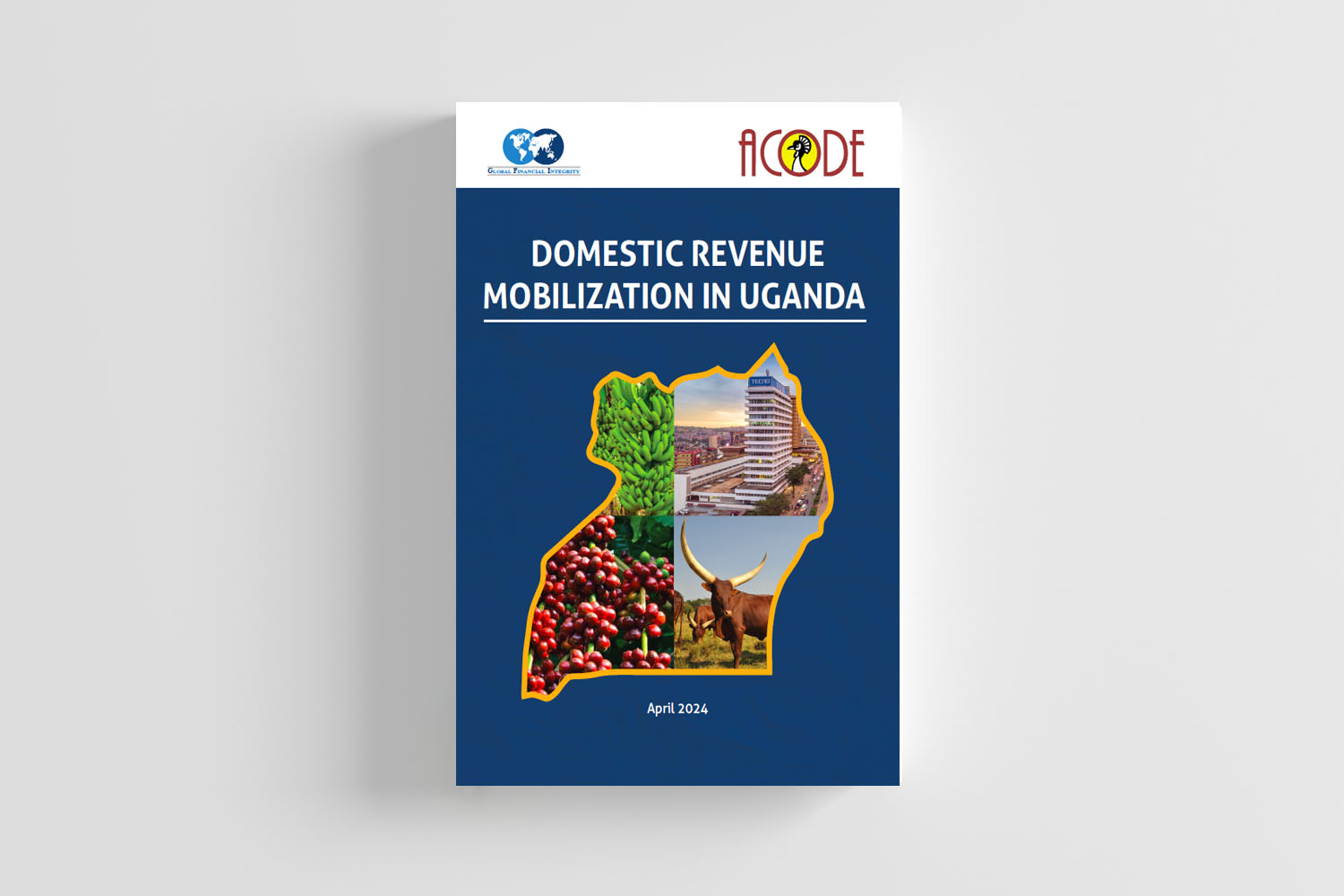
Domestic Revenue Mobilisation in Uganda

April 2024

The factheet on Domestic revenue mobilization (DRM) describes the method by which a nation locally raises financial resources to meet its demands for public service delivery and development. DRM has emerged as a central focus of the agenda for sustainable development. It comprises both tax and non-tax revenue. Mobilizing domestic revenue is essential for each country’s poverty reduction strategies, long-term economic growth, and financing of vital socio-economic programs.


Trade-based money laundering

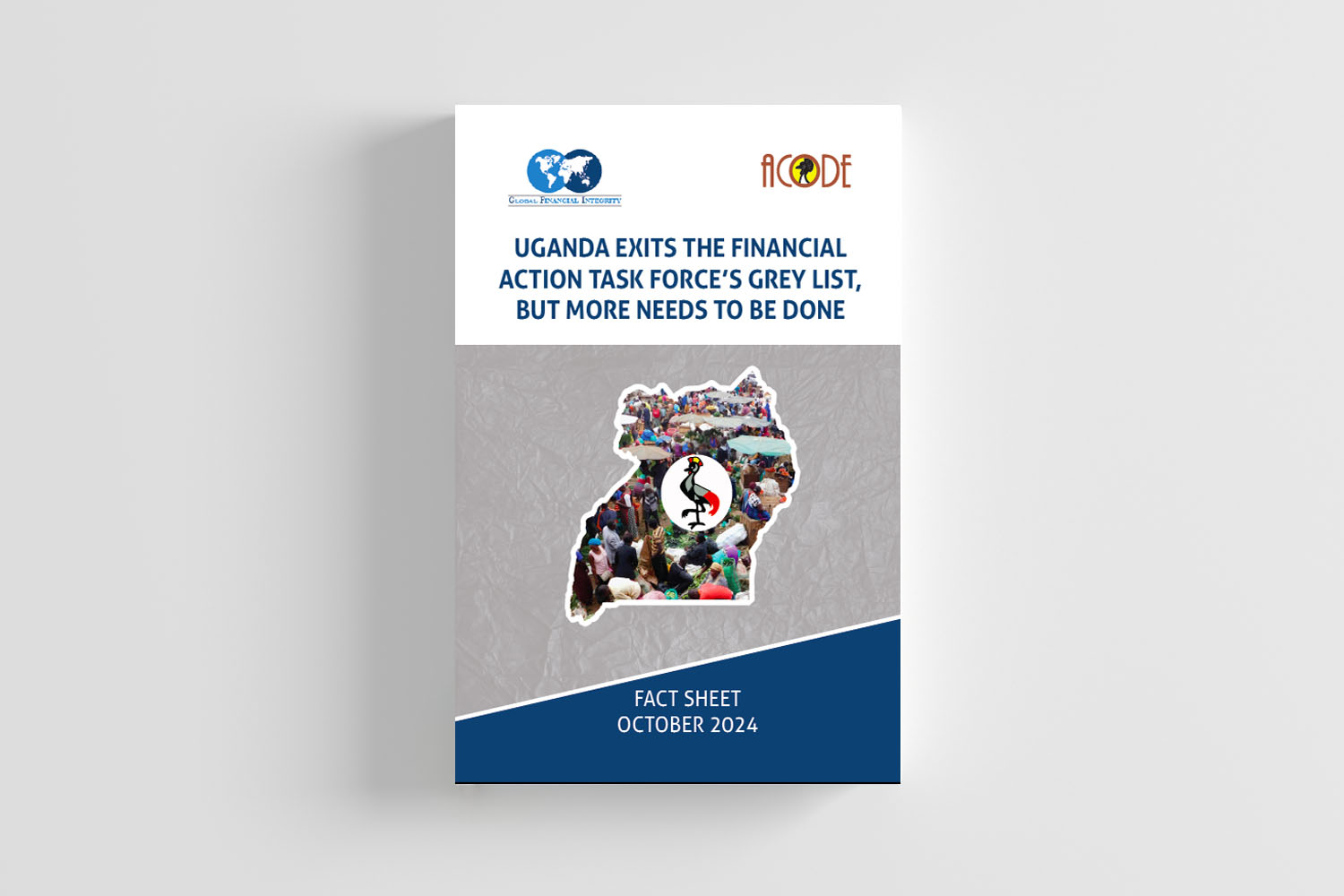
Uganda Exits The Financial Action Task Force’s Grey List, But More Needs To Be Done

October 2024

In February 2024, the Financial Action Task Force (FATF) removed Uganda from its list of countries with deficiencies in anti-money laundering (AML) and counter-terrorist financing (CFT) systems usually referred to as “the grey list.” The FATF grey list identifies countries that need to improve their AML/CFT systems. Being on the grey list has potential economic repercussions. Therefore, the FATF publishes a grey list to help member countries reflect and manage risks associated with these countries and to rekindle their commitment to addressing the identified weaknesses. This fact sheet unpacks the FATF Standards/Recommendations. It also explains the implications of being placed on the FATF grey list. In addition, it identifies challenges and makes recommendations for Uganda to prevent being re-listed ahead of its next round of assessment in 2028.


Trade-based money laundering

Trade-Based Money Laundering in Uganda

July 2023

Trade-Based Money Laundering (TBML) as a forms of Illicit Financial Flows (IFFs) has become a commonly used method to launder money. TBML is one of the most sophisticated methods of money laundering, and since it resembles legitimate trade, it is the hardest to detect by financial institutions and customs authorities. TBML largely involves giving false information on imports and exports through over/under-billing, multiple billing, over/under shipping, and quality misrepresentation. Compared to more conventional kinds of money laundering, TBML seems to be less understood by policymakers, yet its impact can have a significant effect on global trade and tax income. This policy brief, therefore, seeks to contribute to understanding the landscape of trade-based money laundering in Uganda.


Beneficial Ownership Laws

Beneficial Ownership Laws in Uganda and the Role of Stakeholders

July 2023

This fact sheet provides information on the legal and institutional framework governing beneficial ownership in Uganda and the role of different government agencies in the fight against illicit financial flows and related crimes in Uganda. Beneficial ownership is a cencept that refers to the ultimate ownership or control of a legal arrangement, entity or asset. It identifies the individual(s) referred to as beneficial owners who enjoy the benefits of ownership, such as profits and voting rights. According to Ugandan laws, a beneficial owner means a natural person or persons who exercises ultimate control over a company or a natural person on whose behalf a transaction is conducted in a company.


Beneficial Ownership Disclosure

Beneficial Ownership Information Disclosure in Uganda

July 2023

This fact sheet provides information relating to beneficial ownership disclosures in Uganda and the importance of such disclosures in the fight against illicit financial flows and related crimes in Uganda. Section 21 of the Companies (Amendment) Act, 2022 requires every registered entity/arrangement in Uganda to record their beneficial owner(s) in a beneficial ownership register. This register contains i) certain personal information of the beneficial owner(s) of the entity/arrangement, ii) the nature of ownership or control they have in the entity, and iii) the date they became or ceased to be beneficial owners. The law requires that notice of the creation of the register be given to the Registrar of Companies within 14 days.


Trade-based money laundering

Trade-Based Money Laundering: A Global Challenge

January 2023

The report analyzes the numerous challenges of TBML from a global policy perspective. It describes TBML as “disguising the proceeds of crime [by] moving value through the use of (legitimate) trade transactions.” The report provides an in-depth analysis of the most common TBML methodologies namely: over- and under-invoicing of goods; misrepresentation of goods being shipped; multiple invoicing of goods; over- and under-shipment or phantom shipments; the black market peso exchange; and the use of informal value transfer systems. Mis-invoicing was the most common methodology, representing 63 percent of cases. The paper finds that this illicit activity poses complex problems for law enforcement while also undermining global development. The report concludes with an analysis of current policy efforts as well as recommendations for ways to bolster the fight against TBML going forward.


OECD Global Tax Deal

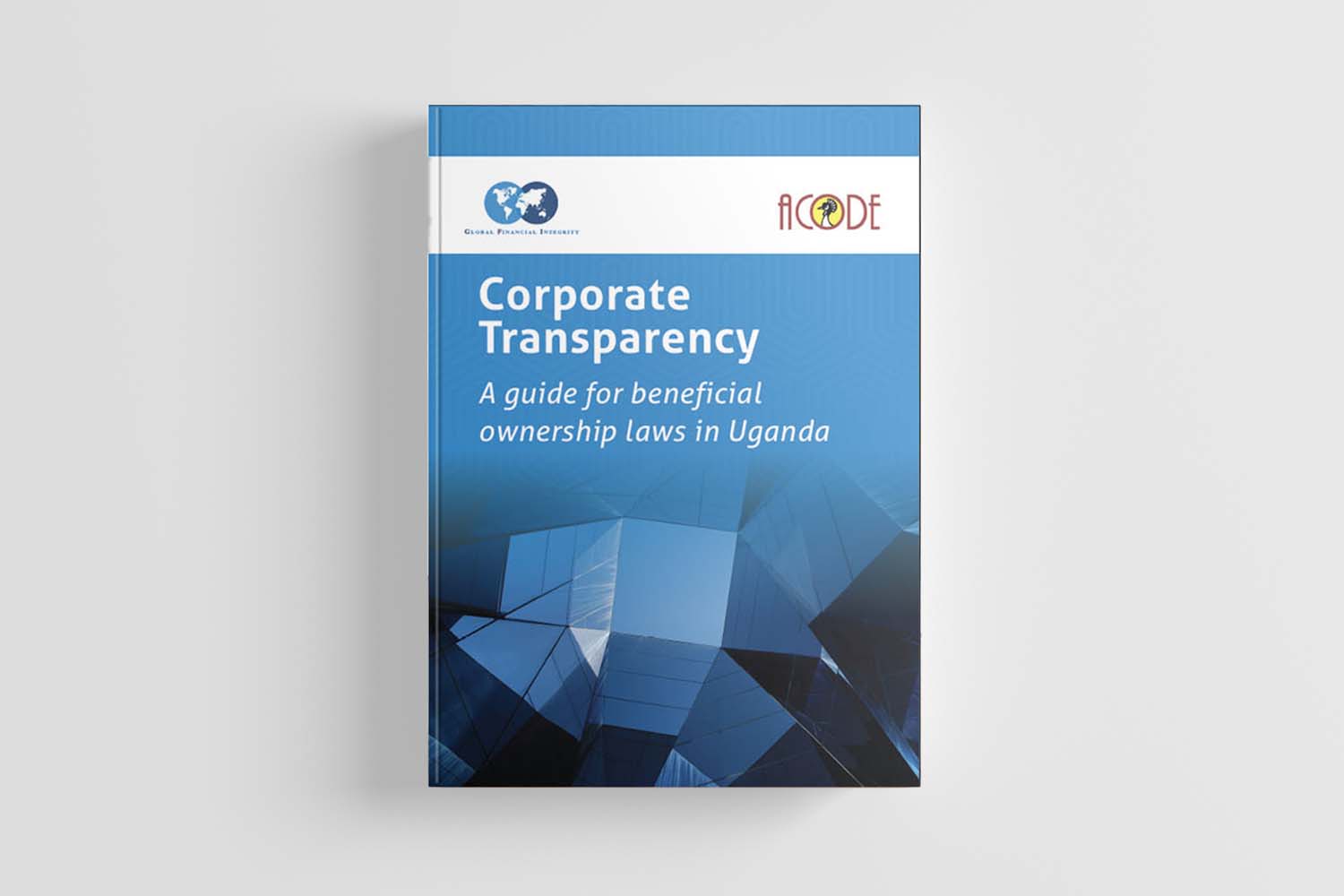
Corporate Transparency: A guide for beneficial ownership laws in Uganda

April 2022

This paper is a contribution to legal reforms in Uganda that are intended to take care of beneficial ownership transparency. It seeks to tackle some of the questions that ought to be addressed in the course of streamlining beneficial ownership disclosure in Uganda. Globally, beneficial ownership transparency has emerged as a critical tool in identifying and stemming Illicit Financial Flows (IFFs) resulting from corruption, money laundering, terrorism financing and other financial crimes. Beneficial ownership transparency limits individuals from hiding behind shell companies to carry out illegal transaction that deny governments the necessary revenues to finance development programs.


OECD Global Tax Deal

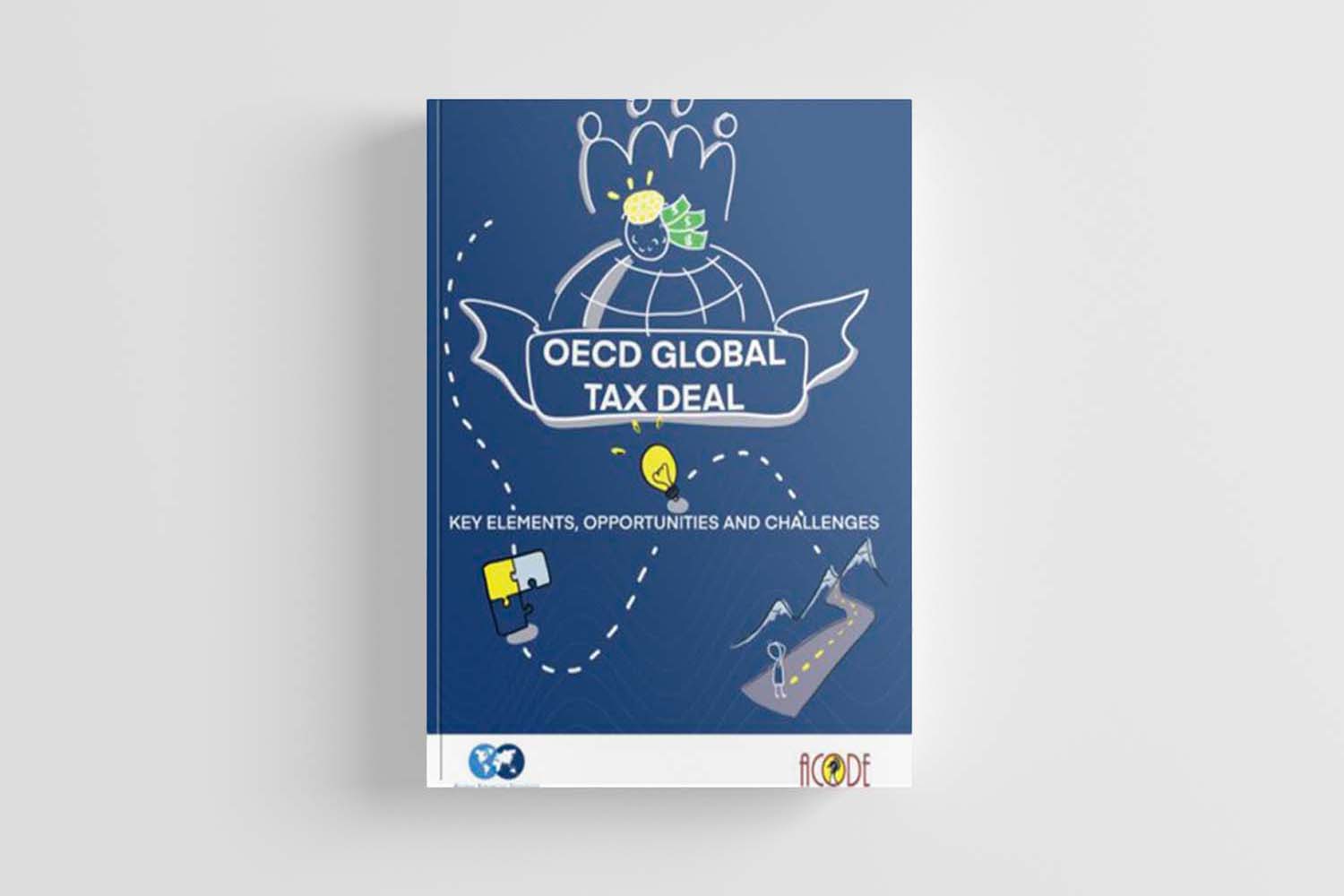
OECD Global Tax Deal: Key Elements, Opportunities, and Challenges

March 2022

The global tax deal represents a major reform to the rules governing the international tax system, aiming to bring an end to tax havens and profit-shifting by multinational enterprises. By introducing a global minimum tax rate and new profit reallocation rules, the deal aims to give countries a fairer chance to collect tax revenues from MNEs operating in or generating revenues from their jurisdictions. The deal was negotiated under the OECD/G20 Inclusive Framework on Base Erosion and Profit Shifting in October 2021.


OECD Global Tax Deal

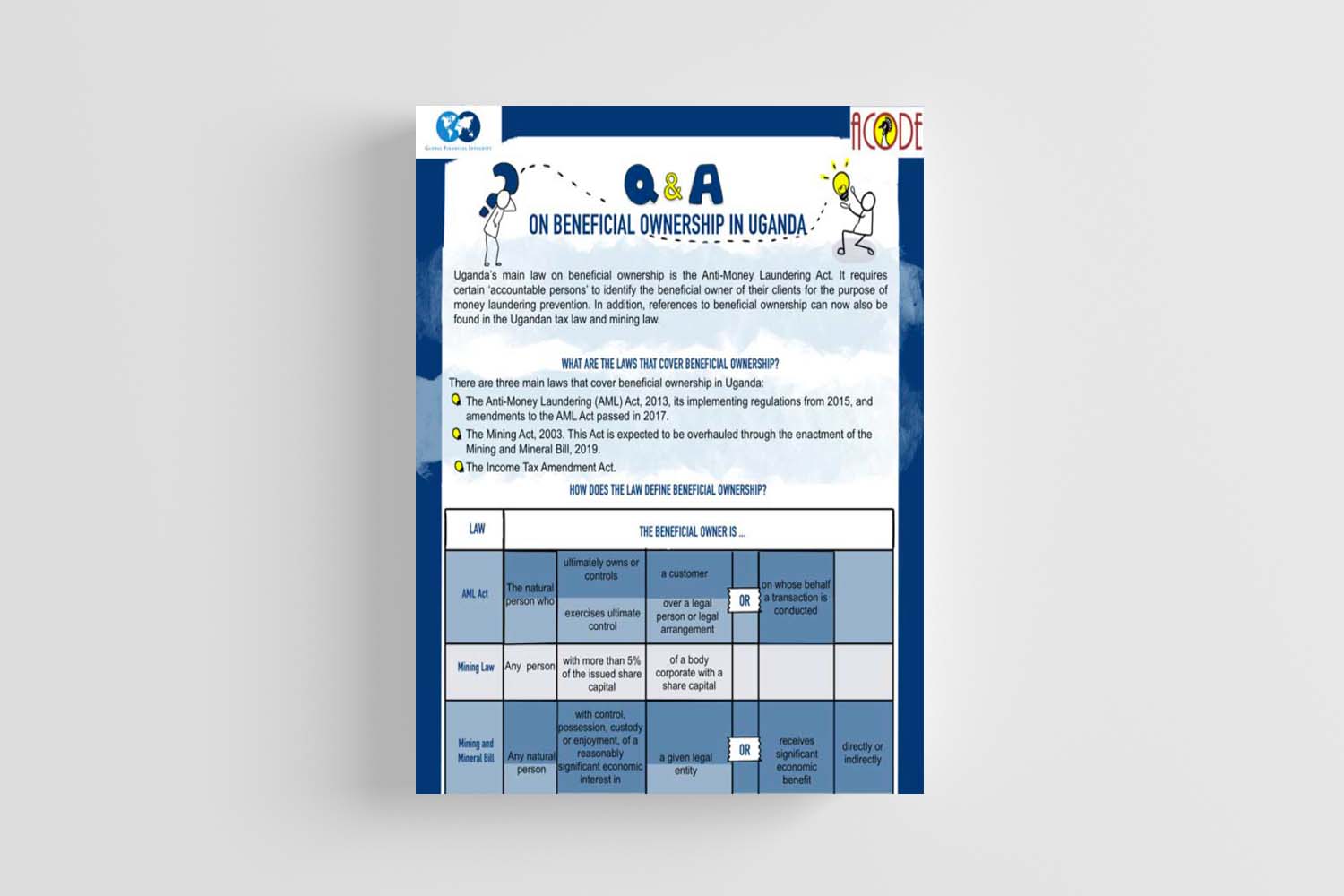
FAQs on beneficial ownership laws in Uganda

February 2020

This infographic booklet contains frequently asked questions on beneficial ownership in Uganda.


Mini Documentaries

Video 1

Trade-based money laundering in Uganda

Published: 2022

Watch our mini-documentary on trade-based money laundering in Uganda which highlights the most common techniques used, vulnerable sectors, and its impact on Uganda and how to mitigate the risks.


Video 2

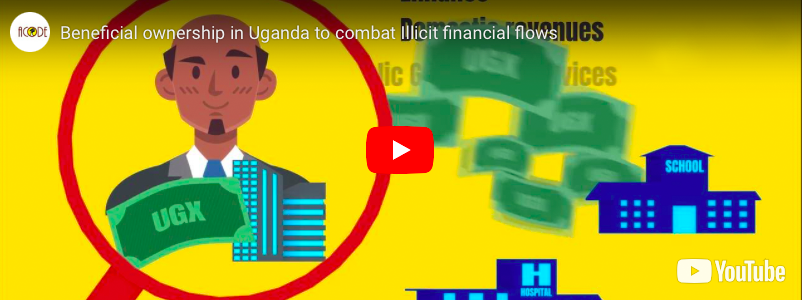
Beneficial Ownership in Uganda

Published: 2022

The mini-documentary on beneficial ownership highlights the need for disclosure of beneficial owners of companies to combat illicit financial flows in Uganda. It illustrates how increased transparency on beneficial ownership will help to combat tax evasion, corruption, money laundering through shell companies and fight terrorism financing in Uganda.


Video 3

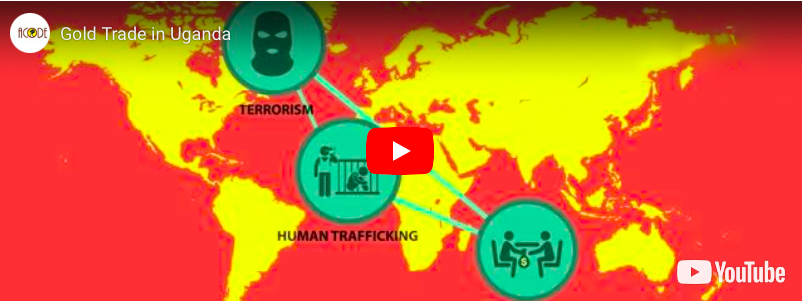
Gold Trade in Uganda

Published: 2022

The mini-documentary show loses Uganda incurs on potential revenues from gold trade due to illicit financial flows and lack of transparency in the mining sector.

In the media

© 2026  Advocates Coalition for Development & Environment. All Rights Reserved

Plot 96, Kanjokya Street. Box 29836, Kampala-UGANDA
Tel: +256 (0) 312812150 Email: acode@acode-u.org

www.acode-u.org

Share Share
Tweet Tweet
Forward Forward

Not wanting to receive these emails?

You can unsubscribe here